A seized outboard steering cable can make the steering wheel difficult or impossible to turn. Corrosion, worn components, contamination, or problems within the steering mechanism may contribute to restricted movement. Whatever the cause, abnormal steering resistance should be investigated before the boat is operated.
Saltwater exposure and inadequate maintenance can affect mechanical steering components over time. Although replacing a corroded steering tube may help address certain issues, it is important to identify the actual source of resistance before selecting a repair.
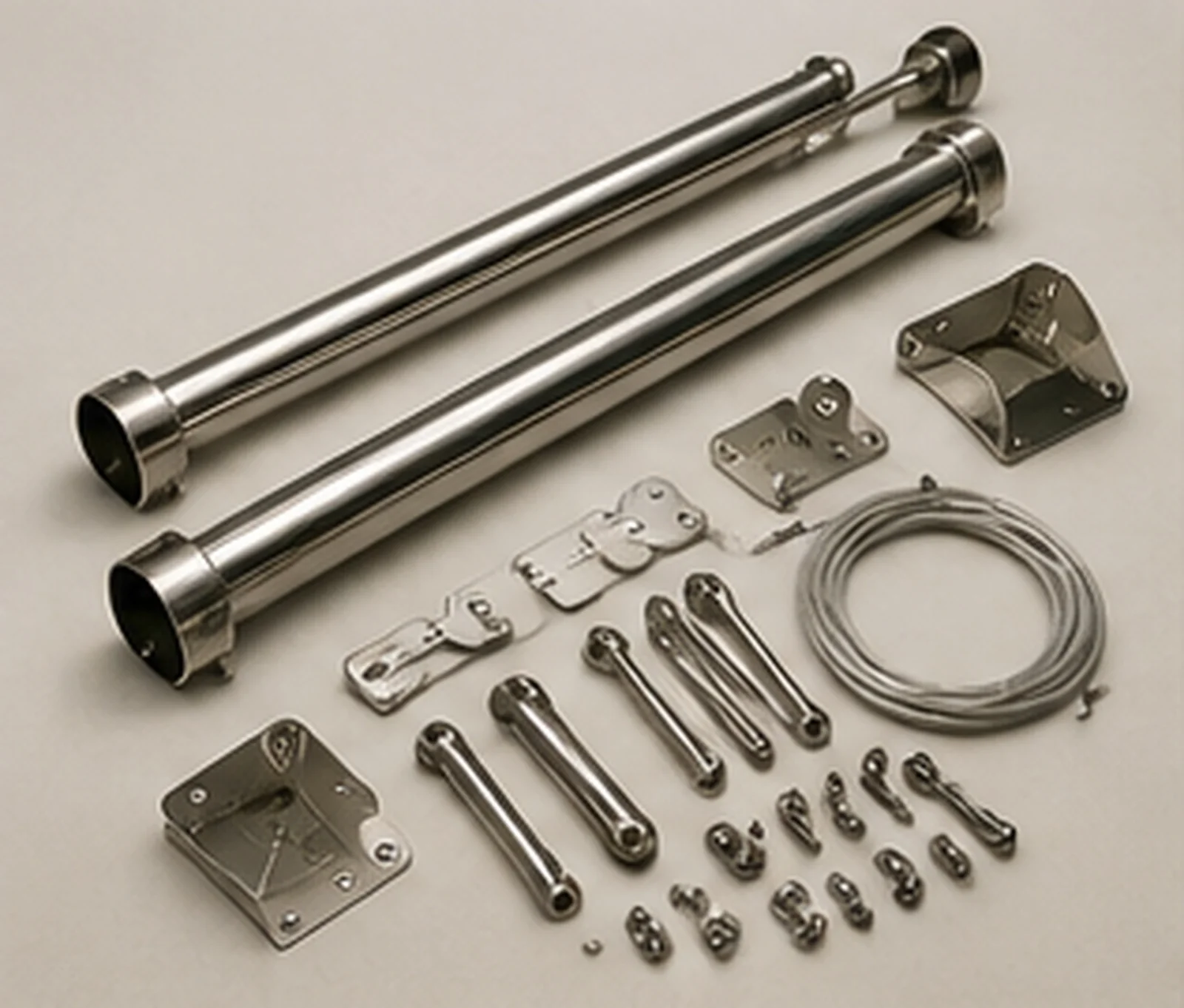
At SeaWise Marine, marine-grade stainless steel components are used in boat davit systems, and the company has also described a stainless steel steering tube accessory for compatible outboard applications.
This guide explains possible causes of seized steering, warning signs to recognize, and what to consider before repairing or replacing affected components.
What Causes an Outboard Steering Cable to Seize?
A seized outboard steering cable can result from several mechanical or environmental conditions.
Common possibilities include corrosion around the steering tube, internal deterioration of the cable assembly, contamination, damaged components, or mechanical binding elsewhere in the steering system.
A stiff steering wheel does not automatically mean the cable itself is defective.
Corrosion Around the Steering Tube
Mechanical steering arrangements on some outboards use a steering cable that moves through a tube associated with the engine’s mounting assembly.
Exposure to moisture and marine contaminants can contribute to corrosion or deposits that interfere with normal movement.
Where corrosion is suspected, a qualified marine technician should determine whether the steering tube, cable assembly, or another component requires attention.
Internal Steering Cable Wear
The steering cable may also develop internal damage or deterioration.
Depending on the system, cable condition and mechanical resistance can affect the movement of the steering linkage.
A cable that has become difficult to operate should not be forced or assumed suitable for continued use.
Contamination and Insufficient Maintenance
Salt deposits, dirt, deteriorated lubricants, and other contaminants may contribute to steering problems.
Maintenance requirements vary by manufacturer and steering system. Follow the applicable service documentation rather than using an improvised cleaning or lubrication method.
Other Mechanical Problems
Not every steering problem originates in the cable or steering tube.
The helm mechanism, engine movement, steering linkage, or other related components may require inspection.
A proper diagnosis should identify the affected component before repair work begins.
What Are the Warning Signs of a Seized Steering Cable?
Steering problems can develop gradually or become apparent suddenly.
Warning signs may include:
- Steering-wheel movement becoming unusually stiff.
- Difficulty turning the outboard through its normal steering range.
- Jerky or inconsistent steering response.
- Grinding, binding, or unusual mechanical noises.
- Visible corrosion around accessible steering components.
- Steering movement becoming restricted or completely blocked.
If steering operation changes unexpectedly, avoid using the vessel until the system has been appropriately inspected.
Loss of dependable steering can create a serious operational hazard.
Is It Safe to Operate a Boat with a Seized Steering Cable?
No. A boat with seized, binding, or unreliable steering should not be operated until the problem has been properly assessed and corrected.
Steering is a critical part of controlling the vessel. Attempting to force a steering wheel or continue using damaged components may worsen the problem.
If the issue develops while underway, prioritize vessel safety and follow the applicable emergency procedures. Obtain professional assistance as appropriate.
Do not attempt steering-system disassembly or modification while the boat is underway.
For broader marine operating considerations, see our marine safety regulations guide.
What Is the Difference Between a Steering Cable and a Steering Tube?
The steering cable and steering tube perform different functions in applicable mechanical steering arrangements.
Steering Cable
The steering cable transfers movement from the helm to the outboard steering mechanism.
Its design and operation depend on the steering system installed on the vessel.
Steering Tube
On certain outboard installations, the steering tube provides a passage or supporting component associated with steering-cable movement.
Corrosion or damage involving the tube can interfere with normal operation, but replacing the tube will not necessarily correct every steering complaint.
Why the Difference Matters
A stiff steering wheel may be caused by a problem with the cable, tube, helm, engine pivot or linkage, or more than one component.
Replacing an accessory without diagnosing the complete steering system can leave the original fault unresolved.
A qualified technician should determine which components require repair or replacement.
Can a Stainless Steel Steering Tube Help Prevent Corrosion?
Material selection can influence the corrosion resistance of marine equipment.
Stainless steel alloys are often selected for components exposed to moisture and saltwater, but their performance depends on the alloy, design, environment, installation and maintenance.
A corrosion-resistant steering tube may be worth considering when the existing tube is damaged and a suitable replacement is available for the particular outboard.
However, it cannot guarantee that steering will never seize again.
Understanding 316L Stainless Steel
316L stainless steel contains alloying elements that improve corrosion resistance in many environments compared with some other steel materials.
Nevertheless, corrosion, deposits, wear and other mechanical problems can still occur under certain conditions.
Learn more in our article about 316L stainless steel for marine applications.

SeaWise Stainless Steel Steering Tube: What Should Buyers Know?
SeaWise’s original article describes a stainless steel steering tube accessory intended for compatible outboard installations.
Before ordering or recommending a replacement, current availability and specifications should be confirmed with SeaWise.
Important information includes:
| Consideration | What to Confirm |
|---|---|
| Outboard manufacturer | Compatibility with the engine brand |
| Engine model and year | Exact applicable configuration |
| Steering system | Mechanical steering arrangement and component requirements |
| Tube specifications | Dimensions, materials and installation requirements |
| Existing problem | Whether the steering tube is actually responsible |
| Installation | Applicable manufacturer instructions and qualified servicing |
| Availability | Current product offering, pricing and shipping |
The previously published claim covering outboards up to 250 HP should not be used as a universal compatibility guarantee without approved fitment documentation.
Is a Stainless Steel Steering Tube a Permanent Fix?
No steering tube material can guarantee permanent freedom from mechanical problems.
A suitable replacement may address a specific corrosion-related issue, but other steering components remain subject to their own operating and maintenance requirements.
A complete repair should follow the applicable engine and steering-system manufacturer’s specifications.
Should You Repair or Replace a Seized Outboard Steering Cable?
The appropriate decision depends on the cause and extent of the problem.
Some faults may require replacement of the steering cable or associated hardware. Others may involve the steering tube, helm mechanism, engine pivot, or linkage.
A qualified marine technician should inspect the system and determine which repairs are supported by the relevant manufacturer documentation.
When Replacement May Be Necessary
Replacement may be appropriate if an inspection identifies damage, excessive corrosion, or deterioration that makes the component unsuitable for continued service.
The technician should select compatible parts and verify normal steering operation after completing the approved work.
Why Improvised Repairs Are Risky
Forceful disassembly, heating, drilling, hammering, or unapproved lubrication can damage steering components and create additional hazards.
Do not attempt these procedures solely on the basis of general internet advice.
Obtain the correct instructions and professional support for the installed steering system.
How Can You Reduce the Risk of Steering Problems?
Preventive care can help identify developing steering concerns before they interfere with normal operation.
Recommended general practices include following manufacturer-specified inspection and lubrication schedules, checking for changes in steering resistance, and addressing visible corrosion or component damage promptly.
The specific work and maintenance products must be appropriate for the installed steering system.
Owners should also keep relevant installation and service records so a technician can identify the system and its maintenance history.
No marine steering system should be described as universally maintenance-free.
Does a Seized Steering Cable Affect Your Boat Davit System?
A seized outboard steering cable and a difficult-to-operate dinghy davit are separate mechanical concerns.
An outboard steering problem should be diagnosed using the appropriate outboard and steering-system documentation.
A stiff manual davit handle requires a different assessment involving the lifting system and its operating components.
Do not assume that replacing an outboard steering tube will fix a boat davit problem or vice versa.
For davit-specific troubleshooting, see Why Is My Manual Davit Handle Hard to Turn?.
Why Marine-Grade Materials Matter in Boat Equipment
Marine hardware frequently operates in environments involving moisture, salt exposure, vibration and temperature changes.
Appropriate materials can contribute to corrosion resistance and long-term equipment performance, but the overall design and maintenance requirements remain important.
SeaWise uses electropolished 316L stainless steel components in its manual and electric boat davit systems.
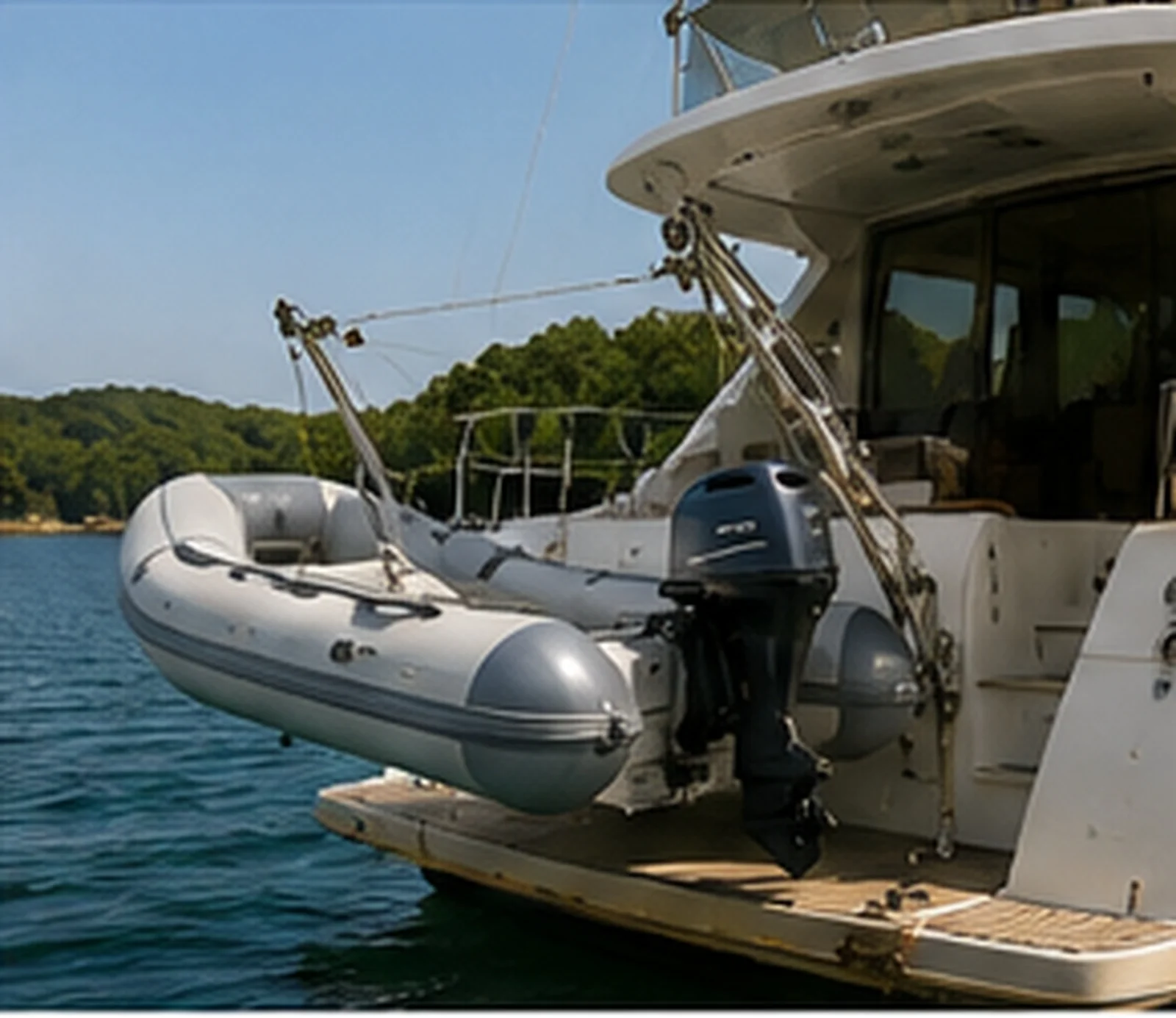
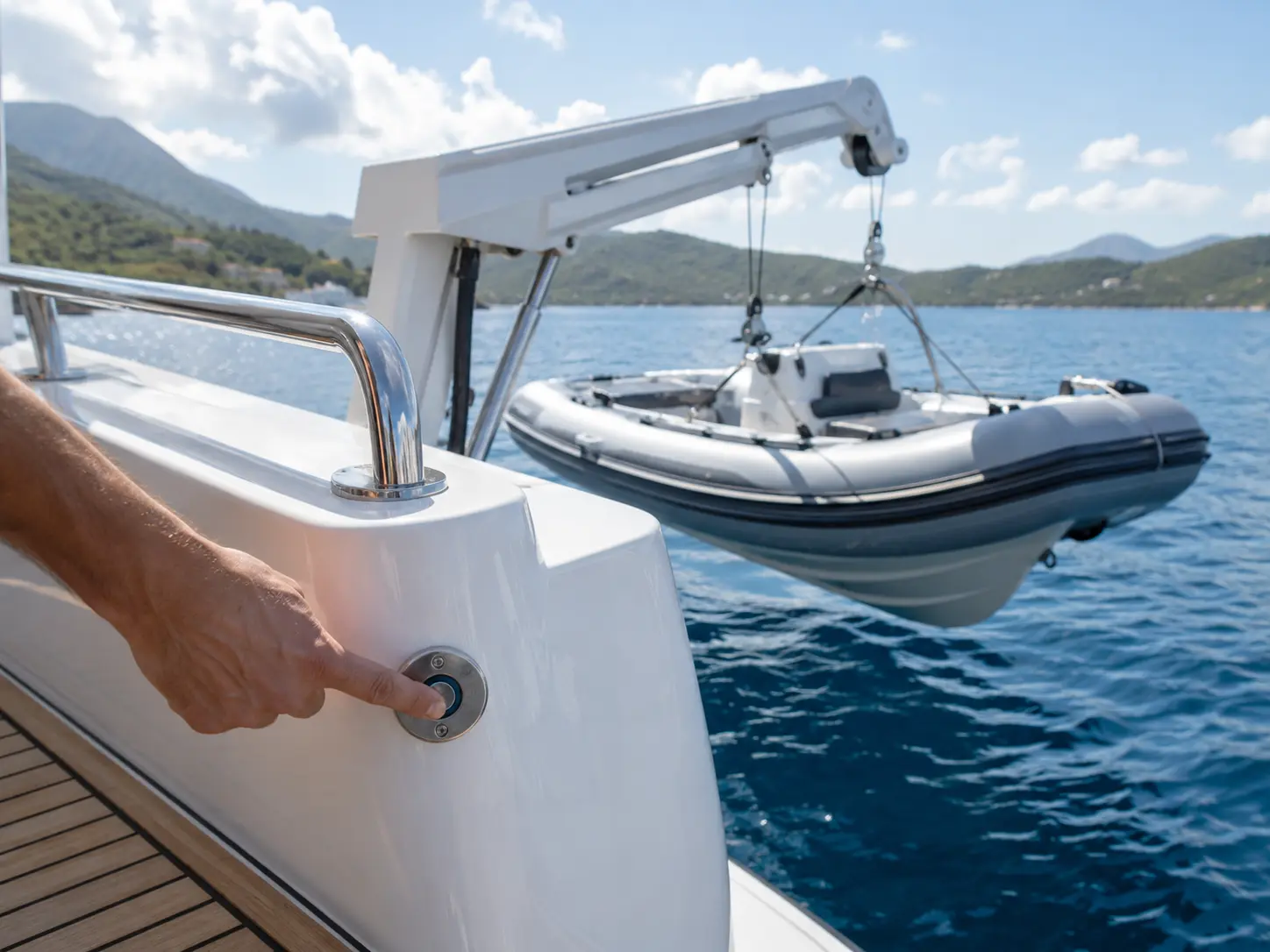
Its davit systems are designed to help boaters launch, retrieve and store compatible dinghies with the outboard motor attached.
For more information about routine davit care, visit our boat davit system maintenance guide.
Frequently Asked Questions
Why is my outboard steering cable hard to move?
Possible causes include corrosion, cable deterioration, contamination, or mechanical binding elsewhere in the steering system. A qualified inspection is necessary to identify the actual fault.
Can a corroded steering tube cause a stiff steering wheel?
Yes, corrosion or deposits affecting an applicable steering tube can contribute to restricted movement. However, other components may produce similar symptoms.
Will replacing the steering tube fix a seized cable?
Not necessarily. The cause must be diagnosed before selecting replacement parts. A damaged cable or another steering component may require separate attention.
Is 316L stainless steel completely rust-proof?
No. Although 316L stainless steel provides corrosion resistance in many marine applications, it is not immune to all corrosion mechanisms or environmental conditions.
Are SeaWise steering tubes compatible with every outboard?
Universal compatibility has not been established. Confirm the engine make, model, year, steering-system configuration, and current product availability with SeaWise.
Can I operate a boat if the steering wheel is difficult to turn?
Do not operate a vessel with unresolved or unreliable steering. Arrange an appropriate inspection and repair before returning it to service.
Is an outboard steering cable the same as a davit lifting cable?
No. The steering system controls the outboard’s direction, while davit lifting components serve a different equipment function. Each requires its own approved maintenance and repair procedures.
Contact SeaWise Marine About Steering Tube Compatibility
If you are investigating a seized outboard steering cable or considering a replacement steering tube, confirm the cause of the problem and the appropriate component specifications before ordering.
SeaWise Marine can provide information about the steering tube accessory described in its original article, subject to confirmation of current product availability and compatibility.
When contacting the team, include your outboard manufacturer, engine model, model year, steering system details, and shipping location.
Phone: 604-946-0551
Email: derek@seawisemarine.com
You can also explore the SeaWise installation gallery for examples of the company’s boat davit systems.